Preparation, grading, reinforcement, finishing, and curing all determine how long concrete lasts. Learn how to vet a Houston concrete contractor, compare estimates line by line, and avoid the mistakes that lead to cracking, settlement, and costly replacement.
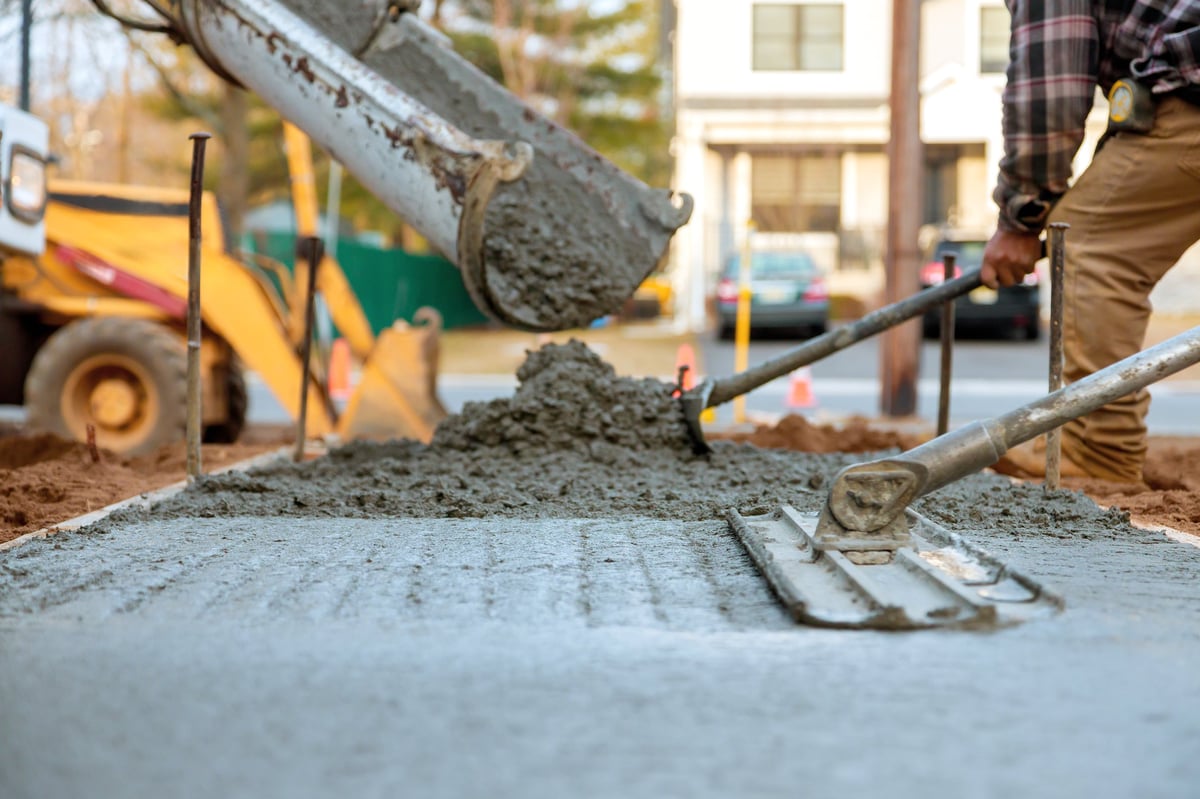
Choosing the right concrete contractor in Houston is about more than finding the lowest estimate. Concrete work requires proper preparation, accurate grading, suitable reinforcement, correct finishing, and careful curing. A mistake beneath the surface can lead to cracking, drainage problems, settlement, or an expensive replacement.
This guide focuses on how to select and work with the right professional for your project. The main decision is not simply what concrete costs. It is who will manage the work, what will be included, and how the finished project will perform in Houston-area conditions.
A concrete contractor plans and completes concrete construction or repair work. Depending on the project, that may include:
For larger projects, the contractor may also coordinate excavation, drainage improvements, masonry, electrical work, plumbing, or structural repairs.
A professional should explain these steps in plain language. If the estimate only says “pour concrete” without describing preparation, thickness, reinforcement, finish, and cleanup, it is not detailed enough.
Concrete contractors may handle several types of residential work. Make sure the company you choose has experience with your specific project.
Driveways must withstand vehicle weight, repeated traffic, drainage, and temperature changes. A contractor should evaluate access, soil conditions, slope, thickness, reinforcement, and the connection to the street or existing garage slab.
Patios can be simple broom-finished slabs or more decorative spaces with stamped, stained, or exposed-aggregate finishes. The contractor should plan the slope so water moves away from your home and does not collect near doors, foundations, or low areas.
Walkways require careful layout and elevation changes. Uneven transitions create trip hazards, while poor drainage can cause erosion or standing water. If the walkway connects to a public sidewalk, driveway, or shared access area, ask whether additional local requirements apply.
Slabs and foundation-related work are structural projects. They require more planning than ordinary flatwork and may involve engineering, soil evaluation, excavation, reinforcement, inspections, and specialized permits.
Non-negotiable
Never hire a contractor for structural concrete work based only on a verbal quote or a few online photos. Ask about qualifications, engineering requirements, insurance, documentation, and the exact scope of work.
Concrete repair may involve cracks, trip hazards, settlement, spalling, or drainage-related damage. Ask whether the proposed repair addresses the cause of the problem or only covers the visible symptom.
Begin with at least three qualified contractors. Referrals are useful, but you should still verify each company independently.
Houston-area work can involve expansive soils, heavy rainfall, high humidity, drainage challenges, and intense summer heat. Ask how the contractor accounts for local conditions instead of accepting generic answers.
Expansive clay soils that shift seasonally
Heavy rainfall and drainage planning
Intense summer heat and curing protection
High humidity and surface finish choices
Burton Residential Services has served Montgomery County and surrounding communities for more than 40 years. Homeowners in The Woodlands, Conroe, Magnolia, Willis, Montgomery, and nearby areas can learn more about our full range of home services, including remodeling, repairs, patios, carpentry, and exterior improvements.
Texas does not use one universal statewide general-contractor license for every residential project. Requirements may vary by city, county, project type, and permit scope.
Before signing, ask:
General liability insurance helps protect against property damage. Workers’ compensation coverage helps address injuries involving employees. Bonding may provide additional protection on certain projects.
Do not accept “we are covered” as proof. Ask to review current documentation. For permit questions in Montgomery County, review a local remodeling permit guide and confirm requirements for your specific project.
Concrete pricing depends on size, thickness, access, demolition, soil preparation, reinforcement, finish, drainage, and labor. As a general planning range, standard residential flatwork in the Houston area commonly falls around $4 to $7 per square foot.
| Project Type | What Drives the Price |
|---|---|
| Driveways & parking pads | Thickness, vehicle loading, slope, access, reinforcement |
| Patios & outdoor living areas | Finish type (broom, stamped, stained, exposed aggregate), size, drainage |
| Walkways & sidewalks | Layout, elevation changes, removal of existing surfaces, local requirements |
| Slabs & foundations | Engineering, soil evaluation, excavation, reinforcement, inspections, permits |
| Repairs & replacement | Cause of the damage, demolition, haul-off, drainage corrections, matching finishes |
These figures are planning ranges, not guaranteed quotes. Demolition, difficult access, poor soil, drainage corrections, decorative finishes, and extensive reinforcement can increase the total.
A bid that is dramatically lower than the others deserves careful review. It may exclude demolition, grading, reinforcement, permits, concrete thickness, cleanup, or warranty coverage.
The best estimate is not always the lowest estimate. Compare the scope line by line.
Your written proposal should identify:
Ask whether the contractor will be present during the pour and who will supervise the finishing work. Communication matters because weather, material availability, and site conditions can affect a concrete schedule.
Warning signs include:
A reliable contractor should welcome reasonable questions. You should never feel rushed into a major exterior or structural investment.
Use these questions during every estimate.
Choosing a concrete contractor is a quality and risk decision, not just a price comparison. A qualified professional will inspect the property, explain the process, identify potential problems, provide a detailed estimate, and communicate throughout the work.
For homeowners in Greater Houston and Montgomery County, the right contractor should also understand local drainage, soil, weather, permitting, and construction practices. Taking time to vet the company before the first pour can help protect your budget and the long-term performance of your home improvement project.
Ready to choose the right contractor for your concrete project? Get a free, no-obligation estimate. We’ll help you understand the scope, coordinate the work, and make informed decisions for your home. Serving Montgomery County and surrounding communities for 40+ years.
Serving The Woodlands, Conroe, Magnolia, Willis, Montgomery, Tomball, and Greater Houston.