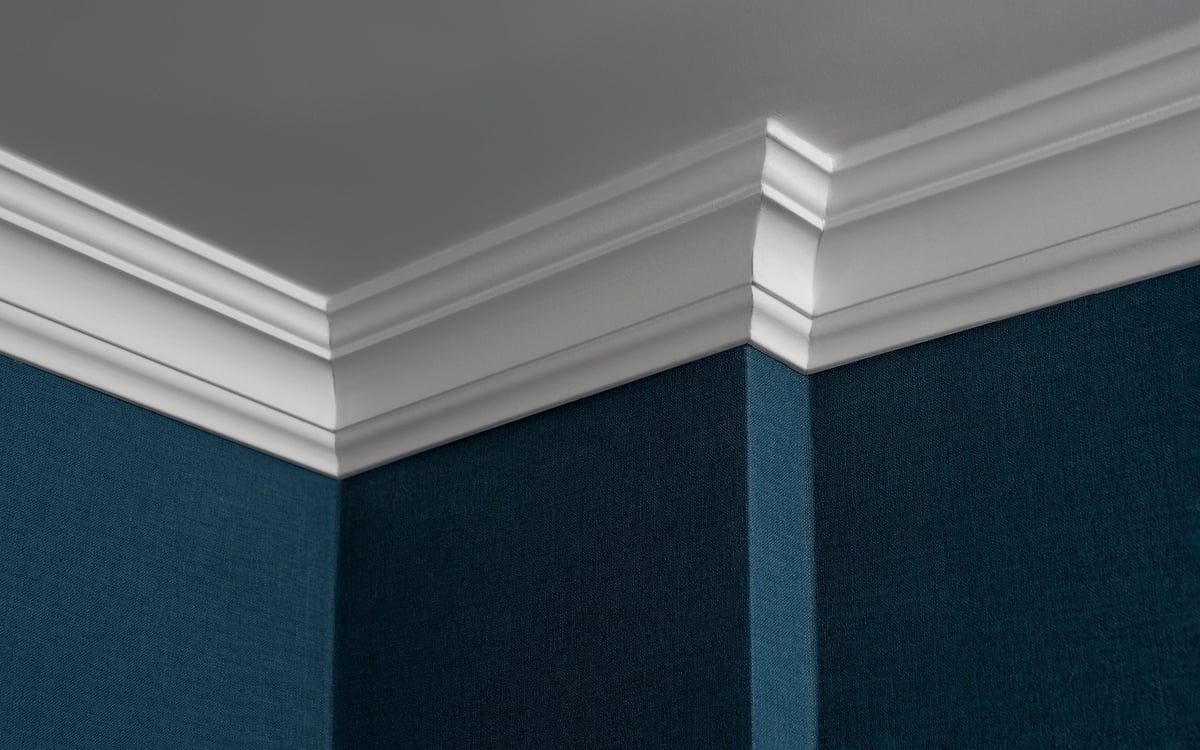
Crown molding can make an ordinary room feel finished without changing its footprint. It creates a clean transition between your walls and ceiling, adds architectural character, and helps an interior update look intentional from every angle.
For homeowners in Houston, The Woodlands, Conroe, Willis, and surrounding Montgomery County communities, choosing the right material matters as much as choosing the right profile. Southeast Texas humidity, air-conditioning cycles, ceiling height, and existing trim all affect how crown molding performs over time.
This guide covers the most popular styles, the best materials for Houston homes, typical 2026 installation costs, and how professional trim work can elevate your next renovation.
1. Crown Molding Styles for Houston-Area Homes
The best crown molding profile should complement your home's architecture rather than compete with it. A skilled carpenter will consider your ceiling height, baseboards, door casing, cabinetry, and overall interior style before recommending a profile.
Traditional Crown Molding
Traditional crown molding uses curved details, layered edges, and more decorative shapes. Colonial, Colonial Revival, and dentil profiles are common examples.
Works well in:
- Formal dining rooms
- Entryways and foyers
- Traditional kitchens
- Two-story living rooms
- Established homes in The Woodlands, Conroe, and Montgomery
Modern Crown Molding
Modern crown molding is typically simpler. It may use a straight, stepped, square-edged, or shallow cove profile with minimal ornamentation.
Strong choice for:
- Contemporary homes
- Open-concept living areas
- Updated kitchens
- Minimalist interiors
- Rooms with smooth walls and simple cabinetry
Traditional molding can also be installed as a double or triple crown. Layering multiple pieces creates a deeper, more substantial appearance that is especially effective with taller ceilings.
Warning: Oversized traditional molding can make an eight-foot room feel crowded. Profile width should always be scaled to the room.
Coffered and Layered Crown Details
Coffered ceilings use recessed panels, beams, or boxed sections to create a more architectural ceiling treatment. Crown molding often completes the perimeter and helps the ceiling design transition naturally into the walls.
Large Living Rooms
Home Offices & Dining Rooms
Primary Bedrooms
Coffered work requires precise planning. Every box, beam, and corner must align correctly. This is not an area where rushed measurements or uneven installation can be hidden with paint.