Custom Built-In Shelving Houston: Ideas, Costs & Installation
Custom Shelving Guide 2026

Custom Built-In Shelving in Houston: Design Ideas, Costs, and Installation

From $2,000 open bookcases to $15,000+ living room media walls. Compare design ideas, materials, finishes, and 2026 cost ranges for Houston and Montgomery County homes.

By Gary Burton
October 3, 2026
11 min read
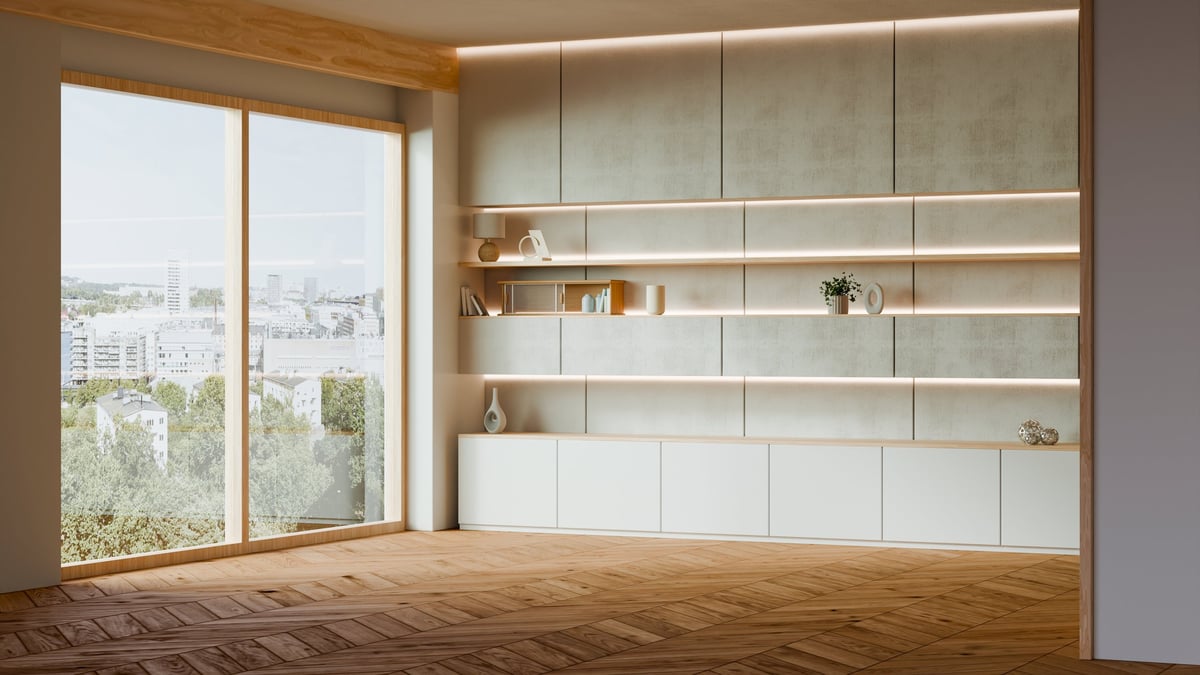
Contemporary empty living room interior background with built-in wooden shelves, LED lighting, herringbone floor, and large window overlooking city- 3D rendering

Custom built-in shelving can turn an unused wall, awkward alcove, or empty hallway into purposeful storage that looks like it belongs in your home. Unlike freestanding furniture, built-ins are designed around your room's exact dimensions, architectural details, and daily routines.

For homeowners searching for custom built-in shelving Houston services, the best solution is not always the largest one. Good design balances storage, proportion, finish quality, and long-term function.

At Burton Residential Services, our custom carpentry team helps homeowners throughout Montgomery County, The Woodlands, Conroe, Willis, and the Greater Houston area plan and complete built-in shelving projects. Here are the most important design, material, cost, and installation considerations for 2026.

Built-In Shelving Ideas for Every Room

Living rooms and media walls

Living room built-ins are often designed around a fireplace, television, window, or large blank wall. A popular layout combines open shelving above with closed cabinets below. This arrangement gives you:

  • Display space for books, artwork, and décor
  • Concealed storage for toys, electronics, and games
  • Space for media equipment and wire management
  • A finished architectural appearance
  • Additional trim and molding that matches the room

For a traditional home, painted cabinetry with crown molding can create a classic library appearance. For a modern Houston home, flat-panel doors, simple shelves, and natural wood accents offer a cleaner look.

Warning: Never block return-air vents, electrical panels, fireplace clearances, or required access points with built-in cabinetry. These details must be addressed during design, not after installation.

Home offices and studies

A home office built-in can combine a desk, bookcases, file drawers, cabinets, and task lighting into one organized workstation. Closed lower cabinets are useful for paperwork and office equipment, while adjustable open shelves keep frequently used items accessible. Consider including:

  • A durable work surface
  • Cable-management channels
  • File drawers
  • Adjustable shelves
  • Upper cabinets
  • Charging stations
  • Integrated task lighting

If you work from home, plan the desk height and electrical locations before fabrication begins. Retrofitting outlets or lighting later can add cost and disrupt finished surfaces.

Mudrooms and entryways

Mudroom built-ins are especially useful for busy households. A practical design may include a bench, shoe storage, coat hooks, cubbies, and upper cabinets. In Montgomery County homes, entry storage also helps manage the transition between outdoor activities and interior living spaces. Durable paint, easy-clean surfaces, and moisture-resistant materials are important near exterior doors. A well-planned mudroom should give every family member a defined place for:

Shoes and boots
Backpacks and bags
Jackets and hats
Sports equipment
Pet supplies
Keys and charging devices

Materials and Finishes for Custom Built-Ins

The right material depends on the design, finish, budget, and level of daily use.

Painted MDF

Smooth engineered wood commonly used for painted shelving and cabinet doors. Cost-effective for painted bookcases, media walls, office shelving, decorative trim, and cabinet fronts. Seal and finish properly in humid areas.

Plywood and Wood Veneer

A strong, stable foundation for cabinet boxes and shelving. The veneer gives the look of natural oak or walnut at a lower cost than solid hardwood throughout. Durable, stainable, and higher-end.

Solid Hardwood

A premium choice for trim, doors, face frames, and selected shelving. Oak, maple, walnut, and poplar are common. Typically increases project cost but delivers a distinctive look and long service life when properly finished.

Melamine and Laminate

Practical, easy-to-clean finishes for closets, pantries, utility areas, and some offices. Available in many colors and wood-look patterns — excellent for functional storage, less suited to furniture-grade millwork.

Open Storage vs. Closed Cabinets

Open Shelving

Works well for:

  • Books
  • Framed photos
  • Collectibles
  • Decorative objects
  • Frequently used office supplies

Makes a room feel more open, but requires regular organization and dusting.

Closed Storage

Doors and drawers are better for:

  • Electronics
  • Toys
  • Paperwork
  • Cleaning supplies
  • Seasonal items
  • Items you do not want on display

Many homeowners choose a combination of both. A common design places open shelving in the upper portion and closed cabinets or drawers below.

How Custom Built-In Shelving Is Measured and Installed

Professional installation involves more than measuring the wall from side to side.

1

Site consultation and measurements

The project begins with an in-home consultation. Measurements typically include:

  • Wall width and height
  • Ceiling height
  • Baseboard and trim dimensions
  • Window and door locations
  • Outlet and switch locations
  • Vent and return-air locations
  • Wall conditions and stud locations
  • Floor level and ceiling variations

Walls are rarely perfectly straight or square. Accurate measurements allow the cabinetry to be scribed, or carefully fitted, to the room.

2

Design and material selection

The layout, storage needs, materials, finish, hardware, and lighting are finalized before fabrication. This is also the time to determine whether the design needs electrical work, drywall changes, or new trim. For larger projects, review an itemized proposal that identifies design, materials, fabrication, installation, painting, and possible additional work.

3

Fabrication and finishing

Many built-in components are cut and assembled before arriving at your home. Shop fabrication can improve consistency and reduce the amount of cutting and sanding performed inside your living space. Doors, shelves, face frames, and trim may then be painted or stained. Finish quality matters — uneven caulk lines, rough edges, and inconsistent paint coverage can make an otherwise well-designed built-in look unfinished.

4

On-site installation

Installation may include securing the unit to wall framing, leveling the base, scribing side panels, installing doors and hardware, adding trim, and completing minor drywall or paint touch-ups.

5

Final inspection

A professional final walkthrough should check:

  • Door and drawer operation
  • Shelf alignment
  • Hardware placement
  • Trim joints
  • Paint or stain coverage
  • Wall and floor protection
  • Electrical and lighting access
  • Cleanup and debris removal

Non-negotiable: Tall shelving must be securely anchored. Proper fastening helps prevent tipping and protects children, pets, and adults from avoidable injuries.

2026 Custom Built-In Shelving Cost Ranges

In the Houston area, custom built-in shelving commonly costs approximately $250 to $600 or more per linear foot installed. Your final price depends on the size, materials, finish, hardware, site conditions, and complexity of the design. Typical 2026 project ranges include:

Project Type 2026 Cost Range
Simple open bookcase $2,000–$5,000
Home office built-in $3,000–$9,000
Mudroom with bench and cubbies $3,000–$8,000
Living room media wall $4,000–$15,000 or more
Premium hardwood or specialty finish $450–$600+ per linear foot

These are planning ranges, not a quote. Integrated lighting, specialty hardware, curved details, tall ceilings, electrical changes, and extensive trim can increase the investment.

A clear estimate should identify what is included. Ask whether the price covers design, fabrication, installation, painting, hardware, electrical work, drywall repairs, and cleanup.

Do Built-Ins Require a Permit?

Many cosmetic built-in installations may not require a permit. However, requirements can change if the project involves structural modifications, new electrical circuits, lighting, plumbing, or changes to walls and openings.

Local rules can vary between Houston, Montgomery County, Conroe, The Woodlands, and surrounding communities. Before work begins, review the requirements for your specific property. Burton Residential Services can help you evaluate the project scope and coordinate necessary work. You can also read our guide to remodeling permits in Montgomery County.

Why Choose Burton Residential Services?

Custom built-ins often involve several trades, including carpentry, painting, electrical work, drywall repair, and trim installation. Working with a full-service general contractor gives you one point of contact for the complete project.

Burton Residential Services provides custom carpentry, custom cabinetry, painting, drywall repairs, electrical updates, and broader interior renovations. With more than 40 years of local experience, we provide transparent pricing, dependable scheduling, and a satisfaction guarantee on our craftsmanship.

Frequently Asked Questions

Free Estimate

Ready to Add Custom Storage to Your Home?

Ready to transform an unused wall into beautiful, functional storage? Get a free, no-obligation estimate. We'll help you design and install custom built-in shelving that fits your home, lifestyle, and budget. Serving Montgomery County for 40+ years.