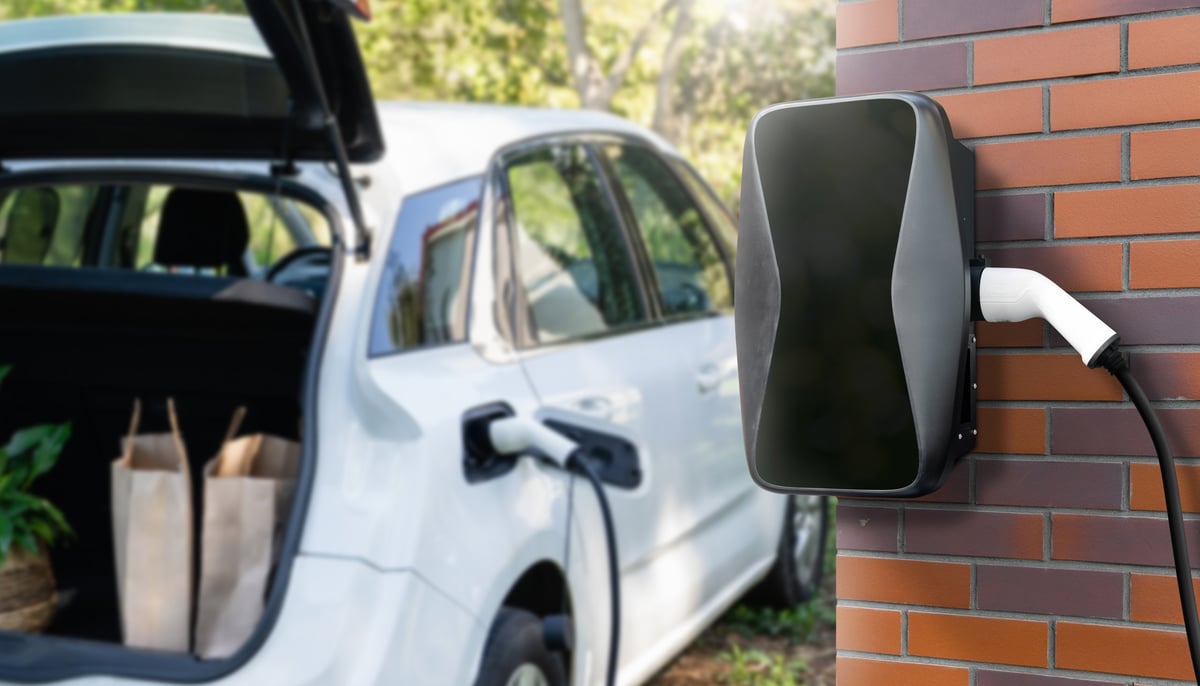
If you drive an electric vehicle, charging at home is usually the most convenient option. However, installing the right equipment requires more than mounting a charger on the garage wall. Your home's electrical panel, wiring, parking location, and local permit requirements all matter.
This guide explains what to know before scheduling EV charger installation Houston homeowners can rely on.
Level 1 vs. Level 2 Chargers
Level 1 Charging
Level 1 chargers use a standard 120-volt household outlet. They are convenient because they often use the portable charging cord supplied with your vehicle.
- Adds approximately 2–5 miles of range per hour
- Works well for short commutes and plug-in hybrids
- May not require a new circuit if a suitable outlet already exists
- Usually provides slower overnight charging
Never use an old, damaged, loose, or overloaded outlet for EV charging. Charging is a continuous electrical load, so the receptacle must be properly grounded and in good condition.
Level 2 Charging
Level 2 chargers use a dedicated 240-volt circuit, similar to the circuit used for an electric dryer or range.
- Adds approximately 20–40 miles of range per hour
- Provides faster overnight charging
- Requires a dedicated breaker and properly sized wiring
- Can be hardwired or connected to an approved receptacle
For most Houston homeowners, Level 2 is the preferred long-term option because it restores substantially more driving range overnight.
How Much Does Installation Cost in Houston?
A typical Level 2 installation in Houston often costs approximately $700–$1,600, with many straightforward projects falling near $1,000–$1,500.
Your final price depends on:
- Charger equipment and smart features
- Distance between the electrical panel and parking area
- Conduit, wire, breaker, and mounting requirements
- Permit and inspection fees
- Whether the panel needs an upgrade
- Trenching or wiring to a detached garage
A long electrical run, attic routing, exterior installation, or panel upgrade can push the project above $2,500.
Electrical Panel Requirements
Before installation, a licensed electrician should complete a load calculation. This determines whether your existing panel can safely support the charger along with your air conditioner, water heater, range, and other major appliances.
Many homes with 200-amp service can support a Level 2 charger without a panel replacement. Older homes with 100-amp service or heavily loaded panels may require an upgrade.
A panel upgrade is non-negotiable if the existing service cannot safely handle the added load. Never install a larger breaker simply to force a charger to work. That can create overheating, nuisance trips, or a serious fire hazard.
Houston Permits and Inspections
The City of Houston requires an electrical permit for residential EV charging outlets. A registered electrical contractor submits the permit through the city's iPermits system.
Typical Level 1 and Level 2 residential installations generally do not require formal plan submittal, but they still require the appropriate electrical permit and inspection. The contractor should:
- 1 Verify the panel and proposed charger location.
- 2 Submit the electrical permit.
- 3 Install the circuit and charging equipment.
- 4 Schedule the required inspection.
- 5 Provide documentation when the work is complete.
Permit fees and requirements can change, so your contractor should confirm current costs with the Houston Permitting Center or the local authority having jurisdiction. Homes in The Woodlands, Conroe, Willis, Montgomery, and other surrounding communities may follow different local procedures.
Texas Rebates and Incentives
As of August 2026, the federal Alternative Fuel Vehicle Refueling Property Credit generally applies only to qualifying home charging property placed in service by June 30, 2026. Eligible homeowners may claim 30% of qualifying costs, up to $1,000 per charging port, but the property must also be located in an eligible census tract.
Review the current IRS guidance and confirm eligibility before relying on the credit. Texas does not offer a universal statewide residential EV charger rebate. Utility programs and retail electricity offers may vary by service area.
Work With a Licensed Electrician
EV charger installation is electrical work. Texas requires electrical work to be performed by appropriately licensed individuals through a licensed electrical contractor. You can review licensing information through the Texas Department of Licensing and Regulation.
Ask your installer:
- Will you perform a load calculation?
- Who will pull the permit?
- Is the work covered by insurance?
- Will the installation be inspected?
- What happens if my panel needs an upgrade?
- Is the quote itemized with no hidden fees?
Burton Residential Services provides dependable electrical upgrades and home improvement support throughout Montgomery County and surrounding communities. Learn more about our electrical services or request a free estimate.