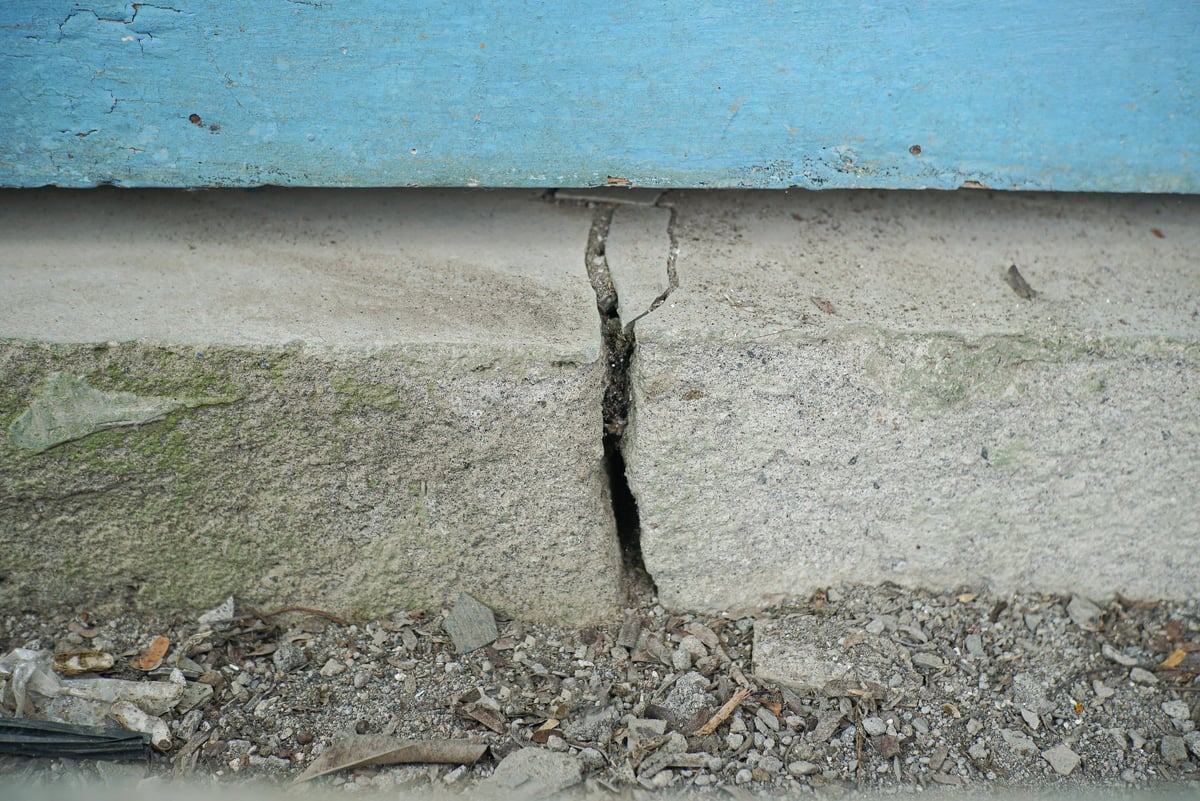
Foundation movement is a serious concern for Houston-area homeowners. Expansive Texas clay soil swells when wet and shrinks during dry weather. Over time, that movement can place stress on your slab, walls, floors, doors, and windows.
The good news is that early evaluation can help you understand whether you need simple maintenance, localized repairs, or a more extensive solution. This guide explains what to watch for, how foundation repair works, and what Houston homeowners may pay in 2026.
Warning Signs of Foundation Problems
A single hairline crack does not always mean your home has a structural problem. Multiple symptoms appearing together deserve professional attention.
Look for:
Wall or ceiling cracks, especially diagonal cracks from door and window corners.
Stair-step cracks in exterior brick or masonry.
Doors that stick, jam, or no longer latch properly.
Windows that suddenly become difficult to open or close.
Sloping or uneven floors.
Gaps between baseboards, crown molding, walls, or ceilings.
Cabinets or countertops pulling away from walls.
Chimneys, porches, or exterior walls separating from the home.
Water pooling near the foundation after heavy rain.
Don't ignore: cracks wider than approximately 1/4 inch, rapidly growing cracks, horizontal foundation-wall cracks, and significant floor movement should never be ignored. Stop cosmetic patching until the underlying cause is understood.
Why Houston Clay Soil Causes Movement
Many Houston and Montgomery County homes sit on expansive clay soils. These soils change volume as moisture levels change.
Common contributing factors include:
Long periods of hot, dry weather.
Heavy rain followed by rapid drying.
Poor yard grading or clogged gutters.
Downspouts discharging directly beside the slab.
Plumbing leaks beneath or near the foundation.
Large trees drawing moisture unevenly from the soil.
Consistent drainage and moisture management are essential. Your goal is not to flood the soil or keep it completely dry. Your goal is to avoid extreme moisture changes around the foundation.
Common Foundation Repair Methods
The appropriate repair depends on your foundation type, soil conditions, structural evaluation, and the location of movement.
Piering
Piering installs concrete, steel, or helical supports beneath affected areas. These piers transfer the home's weight to stronger soil below the active clay layer. Piering is commonly used when a slab or part of a home has settled.
Slabjacking & Mudjacking
Slabjacking and mudjacking pump a cement-based slurry beneath sunken concrete to raise it. These methods may be suitable for localized settlement affecting driveways, patios, sidewalks, or certain non-structural slab areas. They are not automatically a permanent solution for structural foundation movement. Houston soil may continue shifting if drainage and soil conditions are not addressed.
Drainage Improvements
Regrading, downspout extensions, French drains, and other drainage improvements can reduce water concentration near the foundation. Drainage work may be recommended alongside piering to address both the symptom and the cause.
Houston Foundation Repair Costs in 2026
Actual pricing depends on the number of piers, access, soil conditions, engineering requirements, permits, and the extent of interior or exterior restoration. These are planning ranges, not guaranteed quotes. A written estimate should explain the recommended method, number of supports, drainage work, concrete removal, finish repairs, and warranty terms.
| Project Scope | Typical 2026 Range |
|---|---|
| Minor concrete leveling | May cost less than $5,000 |
| Most foundation repairs | $5,000 – $25,000 |
| Full underpinning | May exceed $40,000 |
How to Prevent Future Foundation Damage
You can reduce risk with regular maintenance:
Keep gutters clean and extend downspouts away from the home.
Correct standing water and negative grading.
Watch for plumbing leaks and unexplained water bills.
Inspect your home after droughts, major storms, and prolonged rainfall.
Maintain landscaping at a safe distance from the foundation.
Photograph and date new cracks so you can track changes.
Schedule a professional evaluation when multiple warning signs appear.
Non-negotiable: never rely on paint, caulk, or drywall compound to conceal a crack that is widening or accompanied by sticking doors and sloping floors.
How Burton Residential Services Can Help
Burton Residential Services can coordinate foundation-related repairs as part of a larger home renovation or repair project. Once the structural scope is properly evaluated, our team can help coordinate related work such as drywall repair, flooring, trim, painting, cabinetry adjustments, and other finish restoration.
We serve homeowners throughout The Woodlands, Conroe, Willis, Magnolia, Montgomery, and surrounding communities. With more than 40 years of local experience, we provide transparent pricing, dependable scheduling, and a satisfaction guarantee on our craftsmanship.