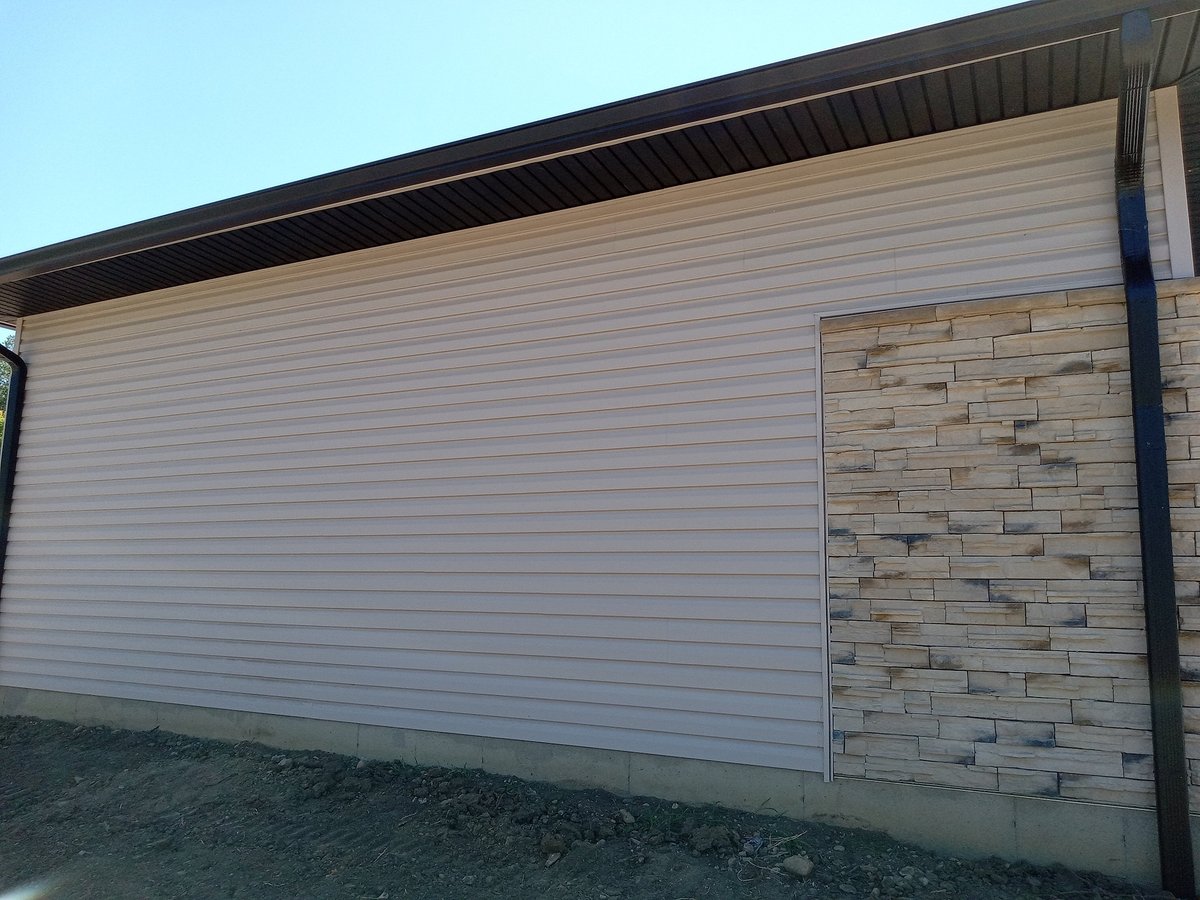
Houston's heat, humidity, heavy rain, and occasional tropical storms can be hard on a home's exterior. The right siding protects your walls, improves curb appeal, and helps prevent moisture from reaching the structure.
This guide explains the most common siding materials, typical Houston pricing, maintenance needs, and when repair makes more sense than replacement.
1. Siding Materials for Houston Homes
Costs vary based on wall area, home height, trim, windows, damage behind the siding, and disposal of the existing material. A written estimate is essential before work begins.
🏆 Best All-Around: Fiber Cement
One of the best all-around choices for Houston homes. Resists rot, termites, warping, and moisture better than traditional wood, with stronger impact resistance than standard vinyl. Requires proper installation and periodic repainting — incorrectly installed fiber cement can still allow water behind the siding.
💰 Lowest Cost: Vinyl
Usually the lowest-cost option. Does not absorb moisture and requires only occasional cleaning. Intense Texas sun can cause fading, while hail or flying debris can crack panels. A practical choice when budget and low maintenance are your priorities.
🪵 Traditional Look: Wood
Offers a warm, traditional look, but Houston humidity increases the risk of swelling, rot, mildew, and termite damage. Requires regular painting or staining, caulking, and inspections. Works well when appearance is the priority and you're prepared for ongoing maintenance.
🧱 Durable: Brick & Stucco
Brick veneer can last for decades with minimal maintenance — inspect mortar joints, flashing, and drainage openings regularly. Stucco can perform well with proper water-resistive barriers, flashing, and drainage. Never ignore cracks, since wind-driven rain can enter behind the finish.
2. Which Siding Performs Best in Texas Weather?
Fiber cement is the strongest all-around performer for Houston's climate. It resists moisture, insects, rot, and warping, and offers better impact resistance than standard vinyl. While it needs proper installation and occasional repainting, it delivers the best balance of durability and longevity for Gulf Coast weather.
Fiber Cement
Best all-around — resists rot, termites, warping, and moisture, with strong impact resistance.
Vinyl
Lowest cost and low maintenance, but sun can fade it and debris can crack panels.
Wood
Beautiful but high-maintenance in Houston humidity — requires regular sealing and inspection.
Brick & Stucco
Long-lasting with proper installation, flashing, and drainage — but cracks must be addressed quickly.
3. Non-Negotiable Installation Details
Professional siding installation is about more than attaching panels. The assembly should include:
A properly installed weather-resistive barrier
Flashing around windows, doors, and roof intersections
Correct clearances above roofs, decks, and concrete
Proper drainage and ventilation
Sealed penetrations for plumbing, electrical, and HVAC lines
Manufacturer-approved fasteners and spacing
These details help protect your home from hidden moisture damage during Houston storms.
4. Repair or Replace?
Repair is usually appropriate when damage is limited to a few panels, boards, or small stucco cracks. Replacement is often more cost-effective when you see:
Widespread warping, rot, or cracking
Repeated leaks around windows and doors
Soft sheathing or visible mold behind the siding
Severe fading or discontinued siding colors
Damage across a large portion of the exterior
A contractor should inspect the underlying wall before recommending a full replacement.
Burton Residential Services provides complete home improvement and exterior renovation services for homeowners in Montgomery County, The Woodlands, Conroe, Willis, and surrounding Houston-area communities.