Compare wood, iron, cable, and glass railings, tread options, safety codes, and 2026 remodeling costs for Houston-area homes.
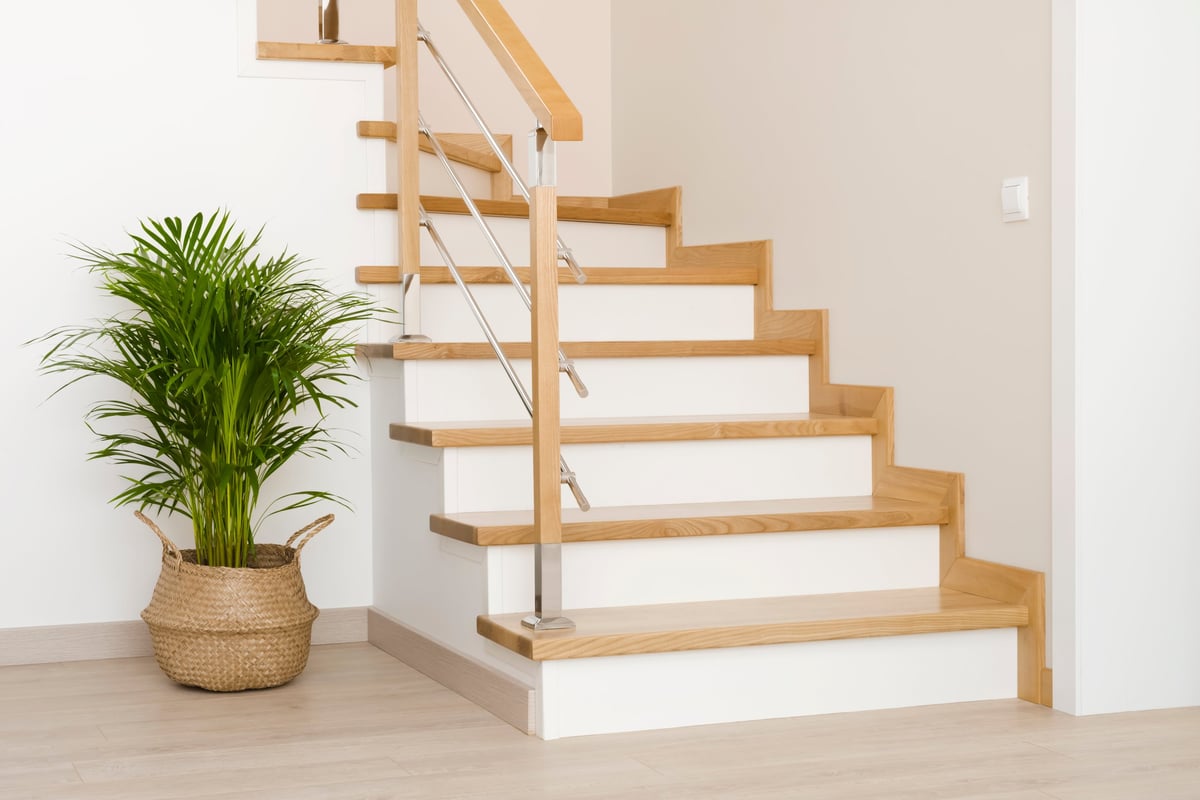
Your staircase is one of the first architectural features people notice when they enter your home. It also receives daily wear, so loose railings, damaged treads, dated carpet, and inconsistent risers should never be treated as minor cosmetic issues.
A well-planned staircase remodel in Houston can improve safety, update your interior style, and connect your flooring and trim into one cohesive design. At Burton Residential Services, we help homeowners across Montgomery County, The Woodlands, Conroe, Magnolia, and surrounding communities plan improvements that look good and perform well.
This guide covers railing materials, tread and riser updates, stain versus paint, Houston-area safety requirements, and realistic 2026 cost ranges.
A staircase remodel can be as simple as replacing worn treads and repainting risers. It can also involve newel posts, balusters, handrails, structural repairs, lighting, and changes to the staircase layout.
Common project elements include:
The first step is determining whether the existing staircase is structurally sound. New tread caps and attractive railings cannot compensate for movement, rot, damaged framing, or improperly supported stairs.
Each railing material offers a different balance of durability, price, and style. Here is how they compare.
Wood remains a practical choice for traditional, transitional, and farmhouse-style homes. Oak, maple, poplar, and other hardwoods can be shaped into simple or decorative profiles.
Advantages
Wood railings require a durable finish, especially in high-traffic homes. A properly sealed handrail can last for years, but unfinished or poorly maintained wood can show dents and discoloration.
Wrought iron and steel balusters give a staircase a strong visual contrast. Matte black remains popular in Houston-area interiors, but bronze, pewter, and custom powder-coated finishes are also available.
Advantages
Iron balusters must still be installed with code-compliant spacing. Decorative patterns should never create openings that are unsafe for children.
Cable railing creates a minimal, contemporary appearance. Stainless steel cables run horizontally between posts, leaving the staircase visually open.
Advantages
Cable systems require carefully tensioned hardware and correctly spaced cables. They can also need periodic adjustment. This option usually costs more than standard wood balusters because of the specialized hardware and installation.
Glass panels provide the most open appearance and allow light to move through the stairwell. They work particularly well in modern homes with simple trim and neutral finishes.
Advantages
Glass is a premium option. It requires appropriate safety glazing, secure hardware, and regular cleaning. It is also less forgiving of fingerprints, dust, and hard-water residue.
If the stair framing is sound, you may not need to rebuild the entire staircase. Refacing replaces the visible surfaces while preserving the existing structural layout.
A typical process includes:
Tread caps can be a cost-effective solution when the existing stairs are structurally sound and the new material fits properly. Full tread replacement may be necessary when the original boards are damaged, undersized, uneven, or difficult to refinish.
Risers are often painted white while treads are stained. This combination creates a bright, classic appearance and coordinates well with many Houston-area homes. You can also stain both treads and risers for a warmer, more continuous wood look.
Stain requires careful preparation. Uneven sanding, filler marks, and inconsistent wood species can create visible color differences.
High-traffic stairs need durable coatings and proper cure time. Using ordinary wall paint on stair treads is a quality failure waiting to happen. Treads require a product designed for floors and repeated foot traffic.
For many homes, the most practical design is stained wood treads with painted risers, trim, and newel posts.
Safety requirements are non-negotiable. Exact requirements can vary based on whether the project is a single-family home, townhome, multifamily property, or commercial building. Always confirm the current requirements with the Houston Permitting Center and your contractor before construction.
The City of Houston’s Minimum Construction Standards identify several important residential stair standards.
Residential handrails generally must be:
The handrail must be graspable. A decorative ledge that cannot be securely gripped is not an acceptable substitute for a proper handrail.
Openings in stair railings and guards generally must not allow a 4-inch sphere to pass through. This is commonly called the 4-inch sphere rule.
That requirement applies to:
The triangular opening between a tread, riser, and guard may have a separate allowance under applicable residential code provisions. Your installer should verify the complete layout rather than relying on an approximate visual measurement.
For residential work in Houston, the City’s standards identify:
A staircase that looks attractive but has inconsistent step dimensions can create a serious trip hazard. Never cover a geometry problem with new flooring materials without correcting the underlying issue.
Your final price depends on staircase length, material selection, access, finish quality, and whether structural or permit work is required. These planning ranges are not fixed quotes.
Tread & Riser Refacing
Carpet removal, tread caps, new risers, finish
$2,500–$6,000
Railing Replacement
Newels, balusters, handrail, install
$1,500–$5,000
Mid-Range Full Remodel
Treads, risers, trim, standard railing
$4,000–$9,000
High-End / Custom
Glass, designer iron, custom wood, structural changes
$8,000–$15,000+
Complex curved stairs, multiple landings, custom newels, premium glass, and extensive trim repairs can push the project above these ranges. Plan for a 10%–20% contingency if the staircase is covered by carpet or has not been inspected recently.
Before selecting a railing style, ask these questions:
Burton Residential Services provides carpentry and custom woodwork, flooring installation, and interior painting as part of a coordinated home improvement project. That means you can address the treads, railing, trim, paint, and surrounding flooring without managing several disconnected contractors.
Get a free, no-obligation estimate. We’ll help you choose safe, durable staircase materials and create a finished design that fits your Houston-area home. Serving Montgomery County for 40+ years.