July in Montgomery County means one thing: the heat is on. With temperatures regularly hitting 95°F+ and humidity that doesn't quit, your home works harder than at any other time of year. A few hours of preventive maintenance now can save you thousands in emergency repairs later.
At Burton Residential Services, we've spent 40+ years maintaining and upgrading homes across The Woodlands, Conroe, and Magnolia. Use this checklist to protect your biggest investment through the toughest season. And if you find something that needs professional attention — from exterior painting to fence repair — we're here.
1. HVAC System: Your #1 Priority
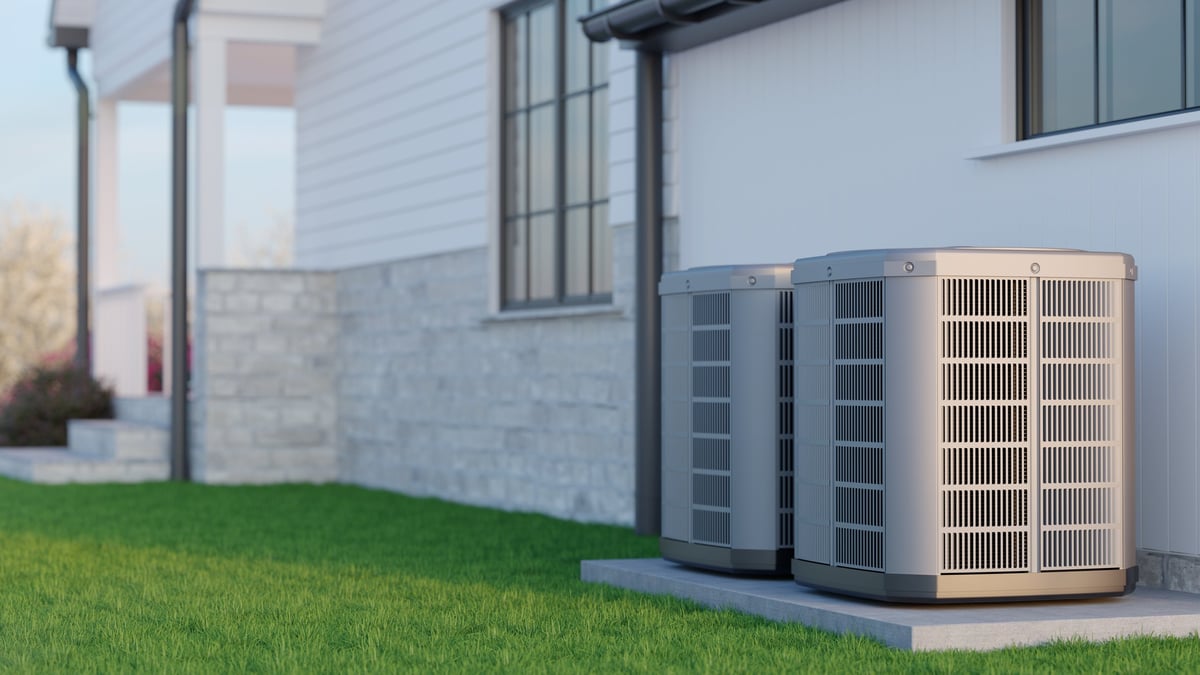
In Texas, a broken AC isn't an inconvenience — it's an emergency. An HVAC system that struggles in July is working 2-3× harder than it should, and that stress is what causes mid-summer breakdowns (when repair costs are highest and availability is lowest).
Replace Air Filters
Every 30–60 days in summer. A clogged filter restricts airflow, making your system work harder and driving up your electric bill. In dusty Texas, check monthly.
Clean Condenser Coils
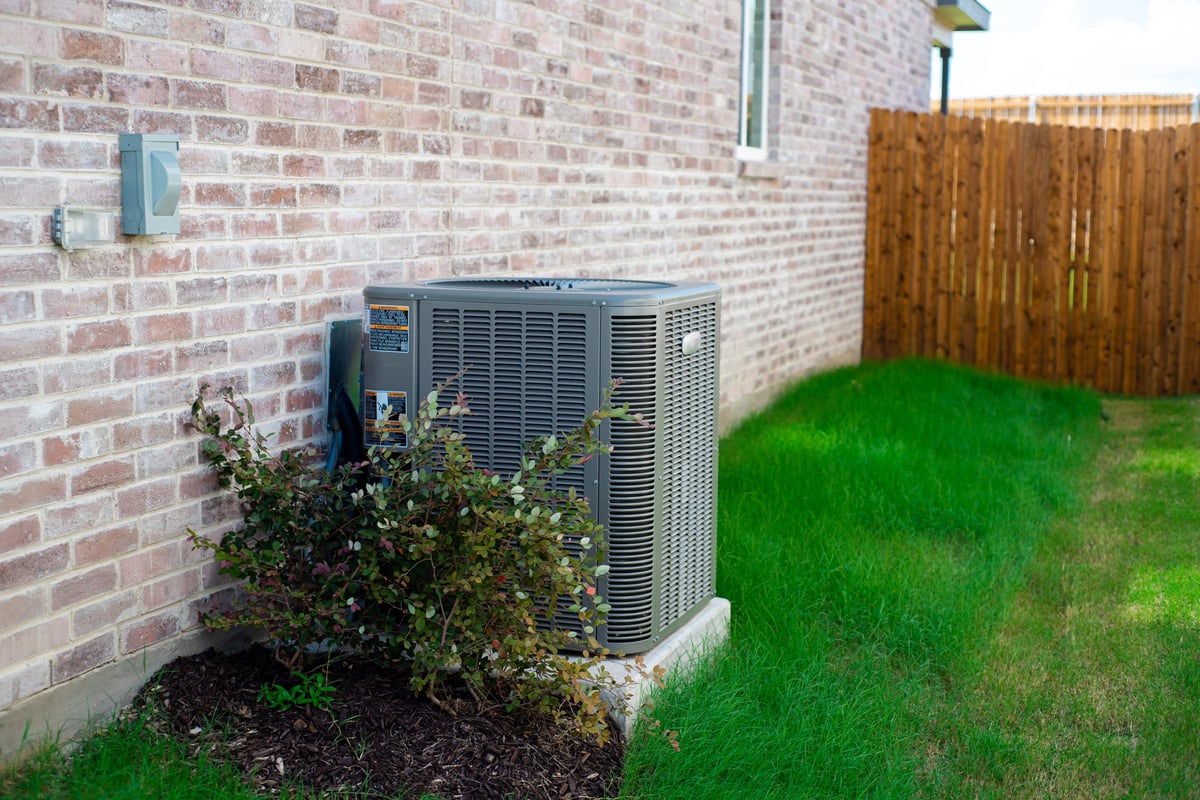
The outdoor unit gathers dirt, grass clippings, and cottonwood fuzz. Gently hose off the coils to improve efficiency by 10–15%.
Clear the Drain Line
A clogged condensate drain line can cause water damage and shut down your AC. Pour a cup of vinegar down the drain line monthly.
Professional Tune-Up
A $100–$200 seasonal tune-up checks refrigerant levels, electrical connections, and overall system health — far cheaper than a $3,000+ emergency replacement.
2. Foundation Care: Water Is the Enemy
Texas clay soil shrinks dramatically in summer heat, which can cause foundation movement. The key is maintaining consistent moisture around your foundation.
Water Your Foundation
Use soaker hoses 12–18 inches from the foundation during extended dry periods. Water for 15–20 minutes daily during drought. The goal is consistent moisture, not saturation.
Check for Cracks
Walk around your home and look for new cracks in brick, sheetrock, or slab edges. Small hairline cracks are normal. Cracks wider than 1/8" or doors that suddenly stick may indicate foundation movement.
Maintain Gutters & Drainage
Clean gutters and ensure downspouts extend at least 5 feet from the foundation. Summer thunderstorms can dump 2–3 inches in an hour — you want that water moving away from your house.
3. Roof, Attic & Insulation
Your attic can reach 140°F+ in July. That heat radiates into your living space and forces your AC to fight harder. Good attic ventilation and insulation are the cheapest energy improvements you can make.
Check Insulation Levels
Look in your attic. If you can see the tops of ceiling joists, you need more insulation. Texas homes should have R-30 to R-60 (10–18 inches) of blown-in or batt insulation.
Inspect Roof After Storms
Summer thunderstorms bring high winds and hail. After any significant storm, check for missing shingles, lifted flashing, or granule loss (look for granules in gutters).
4. Pest Control: They Love Summer Too
Termites
Swarming season peaks in late spring/early summer. Check for mud tubes along foundation walls and discarded wings near windowsills. Annual professional inspection is cheap insurance.
Mosquitoes
Eliminate all standing water — birdbaths, clogged gutters, plant saucers, toys. A mosquito can breed in a bottle cap of water in 7 days.
Ants & Roaches
Seal entry points around pipes, windows, and doors. Keep kitchen surfaces clean and food sealed. Trim branches touching the house.
5. Hurricane & Storm Preparedness
Hurricane season runs June through November, with peak activity August–October. July is the time to prepare, not the week a storm is in the Gulf.
Trim Trees
Remove dead branches and trim limbs that hang over your roof. A limb that's fine in calm weather becomes a missile in 70 mph winds.
Secure Fences
Check fence posts for rot or looseness and reinforce gates. A leaning fence is far more likely to fail in high winds.
Check Windows & Doors
Inspect weatherstripping and caulk around windows and doors. Consider impact-rated windows or storm shutters if you're in a high-risk area.
Generator Readiness
If you have a generator, test it monthly. Check fuel supplies. Have a plan for powering essentials (fridge, freezer, medical equipment, a window AC unit).