Water Softener Installation in Houston: 2026 Costs and Options
Home Blog Water Softener Installation Houston 2026
Water Treatment Guide 2026

Water Softener Installation in Houston: Hard Water Solutions, Costs, and Options

Compare water softener installation in Houston — salt-based softeners, salt-free conditioners, reverse osmosis, filtration, 2026 installed costs, and maintenance for Montgomery County homes.

By Gary Burton
September 25, 2026
11 min read
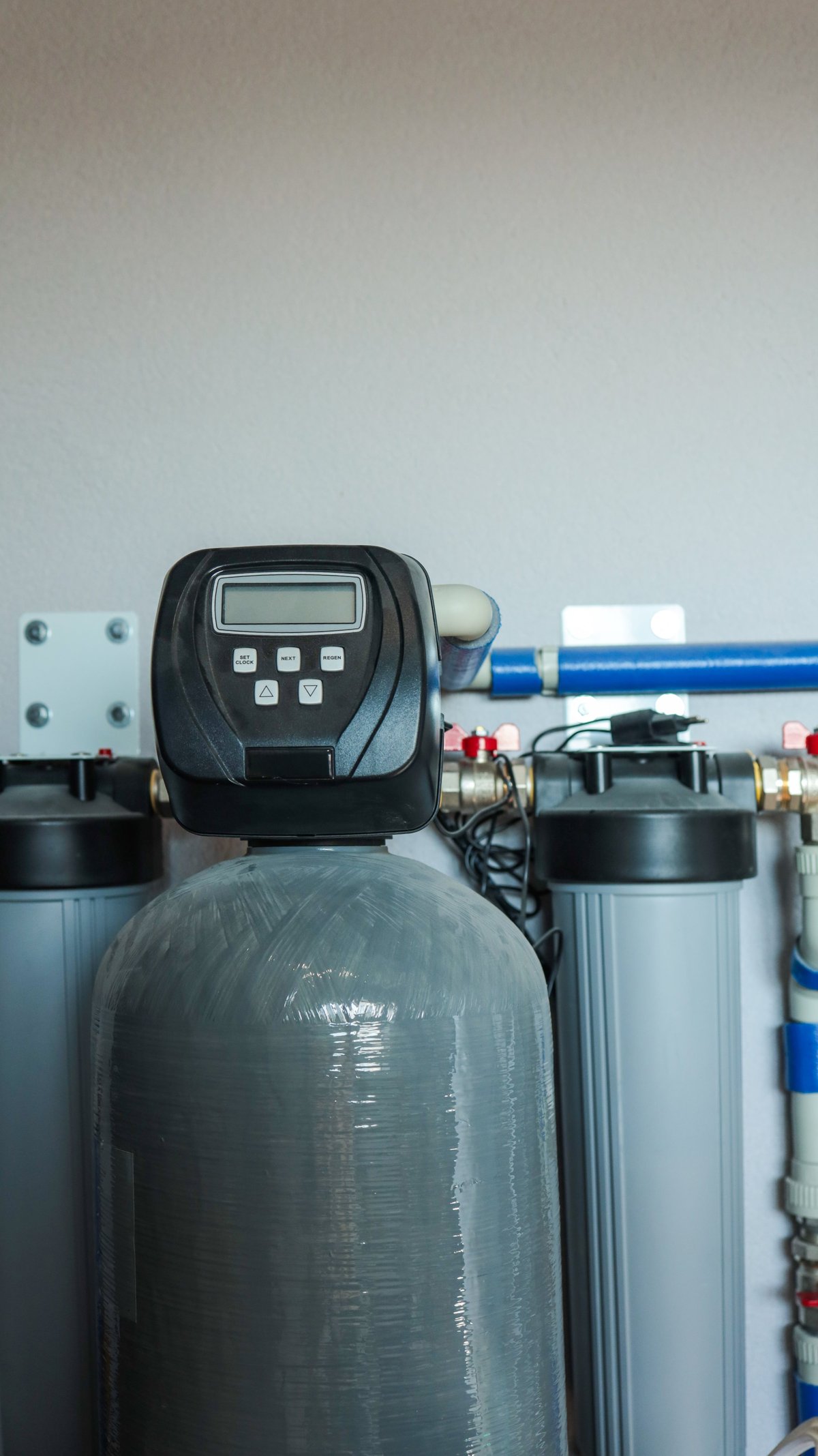
This water filtration system provides clean and purified water for household use, ensuring health and safety

Houston homeowners often notice hard water before they know what causes it. White scale appears on faucets, shower glass becomes difficult to clean, and soap seems less effective. Over time, mineral buildup can affect fixtures, water heaters, and appliances.

The right treatment depends on your water source, hardness level, household size, and goals. This guide explains your options for water softener installation in Houston, including whole-house softeners, reverse osmosis, filtration, 2026 installed costs, and ongoing maintenance.

1. Why Houston's Hard Water Matters

Houston's official 2025 water quality information reports average total hardness of approximately 135.5 milligrams per liter as calcium carbonate, or about 7.9 grains per gallon. Local conditions vary. Some service areas can measure closer to 13 grains per gallon or more.

Hard water is not usually a sign that your tap water violates drinking-water standards. The problem is mineral scale and daily performance.

Hard water can contribute to:

  • White deposits on faucets, showerheads, and glass
  • Reduced soap and detergent performance
  • Mineral buildup inside water heaters
  • Shorter service life for certain appliances
  • Dry-feeling skin and hair
  • Restricted flow through older plumbing
  • More frequent fixture cleaning

Houston's municipal water, suburban utility districts, and private wells may have different characteristics. A water test is essential before selecting equipment or calculating capacity. For current utility information, review the City of Houston Drinking Water Quality Report.

2. Whole-House Water Softener vs. Filtration vs. RO

These systems are not interchangeable. Each solves a different problem.

Salt-Based Water Softener

A salt-based softener uses ion exchange to remove calcium and magnesium from the water. It replaces those minerals with sodium or potassium. This is the traditional choice when you want genuinely softened water throughout your home.

Best for:

  • Reducing scale across the entire plumbing system
  • Improving soap and detergent performance
  • Protecting water heaters and appliances
  • Creating the classic "soft water" feel
  • Homes with moderate to very hard water

A salt-based system needs a brine tank, drain connection, power source, and regular salt or potassium chloride replenishment.

Salt-Free Water Conditioner

Salt-free systems are more accurately called water conditioners. They do not remove hardness minerals. Instead, many use scale-control media designed to reduce how minerals adhere to plumbing and fixtures.

Best for:

  • Homeowners who want to avoid salt
  • Properties where brine discharge is a concern
  • Reducing scale without a regeneration cycle
  • Lower-maintenance whole-house conditioning

The important warning is that salt-free conditioning does not create truly soft water. Your water will still test as hard, and mineral spotting may not disappear completely.

Reverse Osmosis

Reverse osmosis, or RO, is generally a point-of-use system installed beneath a kitchen sink. It uses a semipermeable membrane to reduce many dissolved substances in drinking and cooking water. RO is not a replacement for a whole-house softener because it treats only the connected faucet.

Best for:

  • Drinking and cooking water
  • Improving taste and clarity
  • Reducing total dissolved solids at one tap
  • Adding a dedicated drinking-water solution to a softener

Many homeowners choose a whole-house softener or conditioner with RO at the kitchen sink. That combination addresses both plumbing protection and drinking-water preferences.

3. 2026 Water Treatment Installation Costs in Houston

Your final price depends on system type, water hardness, household size, plumbing access, and included equipment. Use these ranges for planning, not as a substitute for an in-home estimate.

System Installed Cost Treats Best For
Salt-Based Softener $1,000–$3,500 Whole house True hardness removal, scale protection
Salt-Free Conditioner $800–$2,500 Whole house Scale reduction without salt
Under-Sink Reverse Osmosis $300–$1,000 One faucet Drinking and cooking water
Carbon / Sediment Filter $150–$800 Whole house or point-of-use Chlorine, taste, odor, sediment
Softener + RO Combination $1,300–$4,500 Whole house + kitchen faucet Complete plumbing + drinking water

A simple installation near the main water line may cost less. Rerouting pipes, adding a drain, installing a dedicated outlet, working in a tight crawlspace, or correcting existing plumbing can increase the total.

What Should Be Included in Your Quote?

Ask whether your quote includes:

Water testing and system sizing
Equipment delivery
Bypass valves and connection materials
Drain and overflow connections
Pre-filtration
Startup programming
Final testing
Cleanup and operating instructions

A low equipment price is not necessarily a low project cost. Proper sizing and installation are non-negotiable if you want reliable performance.

4. Salt-Based or Salt-Free: Which Should You Choose?

1

Choose a salt-based softener

When your priority is true hardness removal, less scale, improved lather, and whole-house soft water.

2

Choose a salt-free conditioner

When you primarily want scale reduction without salt, brine regeneration, or regular salt refills.

3

Choose reverse osmosis

When your primary concern is drinking and cooking water at a specific faucet.

You may also need a separate carbon or sediment filter. These systems can address chlorine, sediment, taste, or odor, but they do not automatically remove hardness. A complete recommendation should be based on test results rather than a one-size-fits-all package.

If you are concerned about sodium, discuss whether your drinking-water line should bypass the softener or receive RO treatment. Do not make plumbing changes without confirming the correct configuration.

5. Maintenance After Installation

Every system requires some maintenance.

Salt-Based Softener

  • Check salt levels regularly.
  • Use the salt type recommended by the manufacturer.
  • Keep the brine tank clean and dry above the salt level.
  • Confirm the drain line remains secure and unobstructed.
  • Test water hardness if the water begins to feel or perform differently.
  • Schedule service when the control valve or resin tank needs attention.

Salt-Free Conditioner

  • Replace media according to the manufacturer's service interval.
  • Inspect pre-filters if the system includes them.
  • Watch for sediment or pressure changes.
  • Do not assume the system is working simply because it is installed; monitor scale and follow the manufacturer's testing guidance.

Reverse Osmosis

  • Replace sediment and carbon filters on schedule.
  • Replace the membrane according to water quality and usage.
  • Check the storage tank, faucet, tubing, and drain connection.
  • Sanitize the system as recommended.

Ignoring maintenance can reduce water quality and shorten equipment life. It can also allow leaks or clogged filters to go unnoticed.

6. Professional Water Treatment Installation as Part of a Home Upgrade

A water treatment system is often easier to install during a larger renovation, utility-room update, kitchen remodel, or plumbing project. Burton Residential Services can coordinate water treatment installation as part of a broader home improvement plan.

Our team can help you review the location, plumbing access, equipment requirements, and finish work needed around the installation. We also provide plumbing services, home remodeling, and free project estimates for homeowners throughout Montgomery County and surrounding communities, including The Woodlands, Conroe, Willis, and nearby areas.

Frequently Asked Questions

Ready for Better Water at Home?

Ready to improve your home's water quality and protect your fixtures and appliances? Get a free, no-obligation estimate. We'll help you review your water treatment options and coordinate the installation with your next home upgrade. Serving Montgomery County for 40+ years.

Serving Montgomery County, The Woodlands, Conroe, Magnolia & Greater Houston