
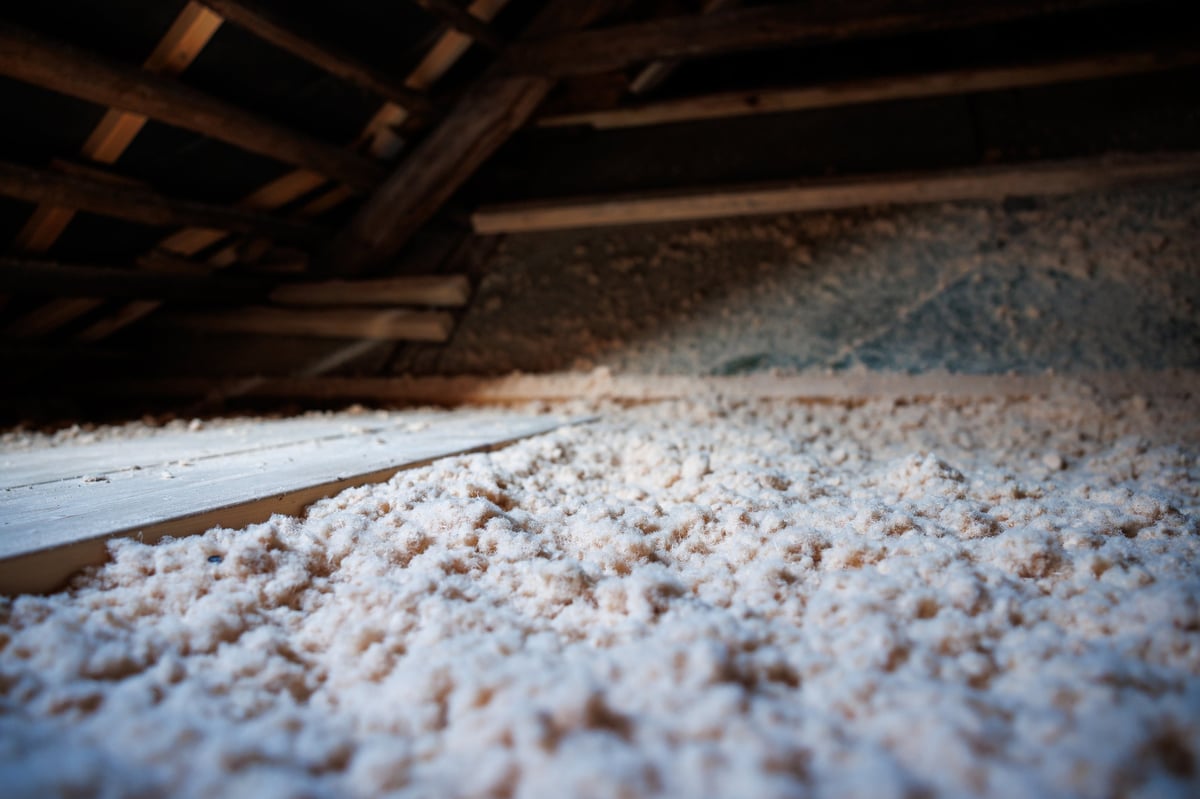
Houston-area attic insulation does more than keep your home warm on a cool winter night. In a Gulf Coast summer, a properly insulated attic helps slow heat from moving into your living spaces, easing the load on your air conditioner. If you're planning related home improvements, explore our home services and consider how insulation fits into a broader comfort and efficiency plan.
A filter change cannot make up for heat entering through a poorly insulated ceiling, but it does help your HVAC system move air as intended. See our HVAC guide for routine maintenance. For homeowners in The Woodlands, Conroe, Montgomery, Magnolia, Willis, and greater Houston, the right insulation project starts with checking existing conditions, not simply adding material on top.
1. Why Attic Insulation Matters in Southeast Texas
Houston is in IECC Climate Zone 2. The long cooling season means your attic insulation has an important job: slowing outdoor heat as it moves through the ceiling into cooled rooms. More insulation can also help reduce temperature swings and HVAC run time, though it will not correct every comfort issue. Leaky ducts, poor airflow, direct sun, and an aging air conditioner may also contribute.
Older homes may have settled, compressed, or incomplete insulation. Rather than judging by your power bill alone, inspect the attic and look for the insulation type, depth, moisture damage, and gaps. A qualified assessment can help distinguish an insulation problem from a roof leak, ventilation issue, or HVAC concern.
2. Houston Attic Insulation R-Value Recommendations
R-value measures how well insulation resists heat flow; a higher number means greater resistance. The right target depends on the home, existing insulation, available space, and project scope.
| Target R-Value | How It's Used in Houston |
|---|---|
| R-38 | A common baseline for attic floors in this climate. |
| R-49 | A practical target for many retrofit projects. |
| R-60 | Suitable when space and budget allow. |
These are planning values, not a substitute for local code requirements or an in-home evaluation. Check ENERGY STAR's insulation guidance and have an installer document the proposed R-value and coverage depth in the estimate.